Exploring the Function of an Arborist: Crucial Services for Tree Vitality and Care
An arborist is essential for maintaining tree well-being and longevity. Arborists use specialized expertise to assess trees and create individualized care programs. This covers pruning, identifying diseases, and controlling soil health. Arborists play a major role in promoting sustainable tree growth. Their skill set not only boosts the beauty of landscapes but also maintains ecological health. Understanding their key services can reveal the critical impact they have on city and country environments equally.
The Significance of Arborists in Tree Management
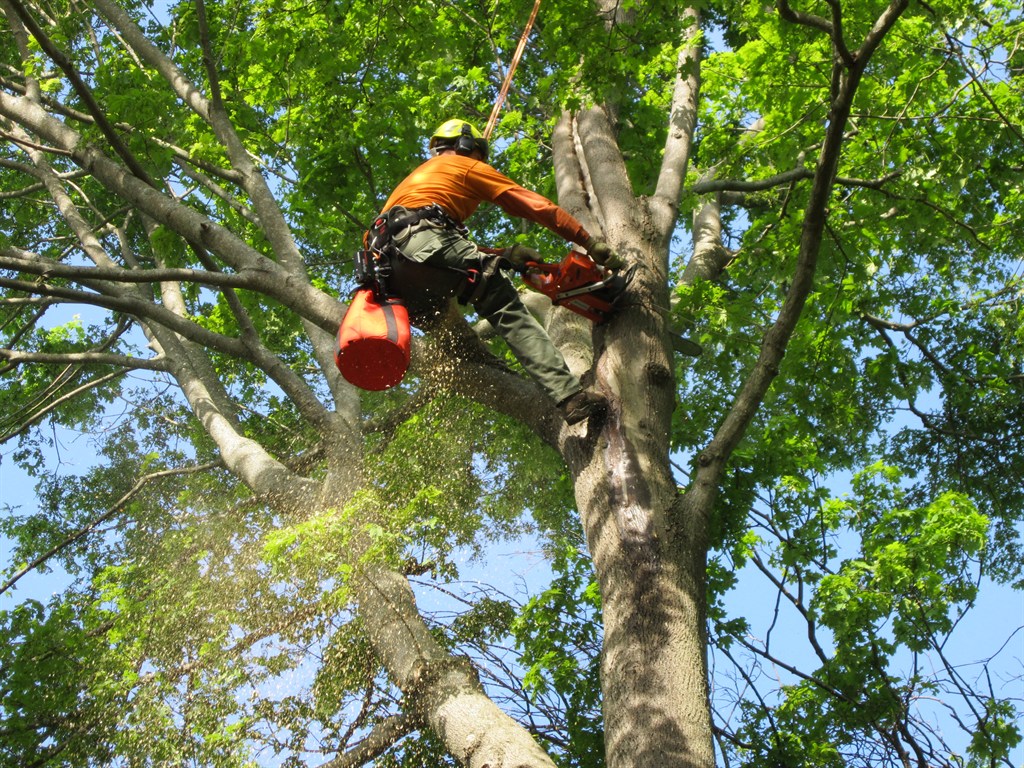
While many residents may underestimate the role of arborists, their knowledge is essential for maintaining tree health and long life. Arborists are certified experts who are dedicated to the health and management of trees. Arborists have in-depth expertise of tree life science, diseases, and environmental factors affecting development. By examining tree health, arborists can identify potential problems, ranging from pest infestations to nutrient deficiencies.
Their work include a variety of essential tasks, including soil care, tree assessments, and general maintenance strategies. Tree care experts also play a major role in making sure trees are situated in correct locations, taking into account elements such as sunlight, drainage, and space for development. Their recommendations assists homeowners make informed decisions that foster sustainable tree growth. By utilizing arborist care, homeowners not only enhance the beauty of their landscapes but also contribute to the ecological well-being of their environment, ensuring trees flourish for a long time.
Fundamental Tree Pruning Practices
Successful tree pruning techniques are essential for preserving healthy and flourishing trees. Arborists utilize various techniques to enhance tree structure, encourage growth, and take away dead or diseased branches. One basic technique is crown thinning, which means carefully taking out branches to increase light penetration and air flow. A further significant technique is crown lifting, where low-hanging branches are cut back to increase ground clearance and sightlines. In addition, the practice of reducing the crown reduces the size of a tree’s canopy, lessening pressure while upholding its structure.
The timing is critical; pruning is typically best done during its resting phase in the period between late winter and early spring. This minimizes sap loss and promotes robust development. Arborists advise the use of sanitized, keen equipment to create clean incisions, which aids in preventing harm to the tree. Finally, these essential practices not only improve aesthetic appeal but also substantially aid the tree's total vitality and lifespan.
Planting and Transplanting Trees

When considering the establishment of new trees, correct methods for planting and moving trees are crucial to secure their thriving development and integration into the landscape. Arborists emphasize the importance of choosing the correct type of tree for the specific setting, as well as making sure the planting pit is prepared well. The hole must be sufficiently broad to accommodate the root system, enabling adequate expansion and aeration
During transplantation, care must be taken to minimize root disturbance, which can hinder a tree's ability to become rooted in the new location. Arborists recommend transplanting during the dormant season to reduce stress on the tree
(Florence Arborist)Once planted or transplanted, proper watering and mulching are essential to support the tree's successful rooting. Arborists also advise monitoring the tree’s growth and adjusting care practices as needed to guarantee a healthy shift into the surrounding environment, thereby leading to a thriving landscape
Identifying Tree Illnesses and Infestations
How can one effectively identify the signs of tree diseases and pests? Arborists utilize a keen understanding of the science of trees and site conditions to diagnose these issues. Symptoms such as discolored leaves, slowed development, or leaves falling too soon usually point to deeper troubles. In addition, the existence of abnormal formations, such as cankers or galls, may indicate disease or pest problems.
Arborists also check the outer layer for wounds, entry points, or frass, which may suggest insect activity. Examining the soil and the immediate surroundings helps identify stressors such as inadequate drainage or lack of nutrients. Familiarity with seasonal trends is crucial, since specific pests emerge at specific times.
Tree Condition Reports and Maintenance Plans

What strategies can be employed to preserve perfect tree health? Tree specialists typically start with thorough tree health assessments, which include a close inspection of the tree's current status, including its framework, foliage, and root system. This assessment helps identify potential concerns such as diseases, pests, or environmental stressors. Once the inspection is complete, a customized care plan is formulated, focusing on individual needs
Standard parts of these strategies cover correct watering routines, fertilization techniques, and pruning practices to optimize growth and durability - Florence Arborist. Additionally, arborists may recommend applying mulch and managing the soil to enhance the availability of nutrients and moisture retention. Consistent observation is crucial, enabling changes to the management program if the environment evolves. By implementing these strategies, the health and longevity of trees can be substantially bettered, making sure they flourish in their environment and simultaneously benefiting the overall ecosystem
The Role of Arborists in Municipal Tree Care
Tree experts have a crucial function in urban forestry by managing and maintaining the health of trees within metropolitan areas. Their specialized knowledge significantly adds to the environmental balance and beauty of metropolitan regions. Tree specialists participate in planting trees, making certain the selection of species is suitable based on the specific site conditions and city development requirements. Arborists carry out frequent health checks to identify diseases, pests, and structural issues, implementing targeted treatments to improve the trees' condition.
Furthermore, tree specialists create and implement care strategies covering pruning, fertilization, and irrigation, maximizing tree development and lifespan. Arborists also inform residents on why trees matter and appropriate care methods. By collaborating with city planners and conservation agencies, arborists help achieve sustainable metropolitan development, fostering biological diversity and bettering the air we breathe. Their work is crucial in creating green spaces that benefit both residents and the ecosystem, leading to healthier city environments.
Frequently Asked Questions
What is the Best Way to Find a Certified Arborist Close By?
If you want to find a certified arborist in your vicinity, you can look through online directories, consult local gardening centers, or reach out to tree care associations. Make sure to verify certifications and read reviews to ensure high-quality work.
What Expertise is Necessary in an Arborist?
When seeking an arborist, you ought to check for certifications like ISA or ASCA, appropriate background, liability protection, and a solid reputation through reviews. These credentials guarantee professionalism and expertise in arboriculture and upkeep.
Do Seasons Matter for Tree Pruning?
The best time for tree trimming is during the end of winter or the beginning of spring when trees are resting. Yet, some species are better suited for summer pruning. Timing depends on the tree type and individual growing habits to ensure vitality and form.
What is the Typical Cost of Arborist Services Typically Cost?
Arborist services typically cost between $300 and $1,500, based on variables like tree size, location, and the difficulty of the job - Florence Arborist. Prices may vary considerably take the first step based on local market needs and service provider expertise
Is it Possible to Handle Tree Maintenance Without Professional Help?
Certainly, people are able to handle basic tree care without professional help, for example watering and mulching. However, for difficult jobs, such as trimming or diagnosing diseases, seeking advice from a professional arborist is best to maintain healthy trees.